Examining severe water stains across a kitchen ceiling in Virginia Beach brought an unexpected puzzle to light on a recent edition of Roofing for Reel. The homeowner had replaced her roof just five years ago, complete with an extended warranty that should have guaranteed decades of worry-free coastal weather protection. Instead, every driving rainstorm produced another bucket on her kitchen floor—five separate leaks in total.
The Problem
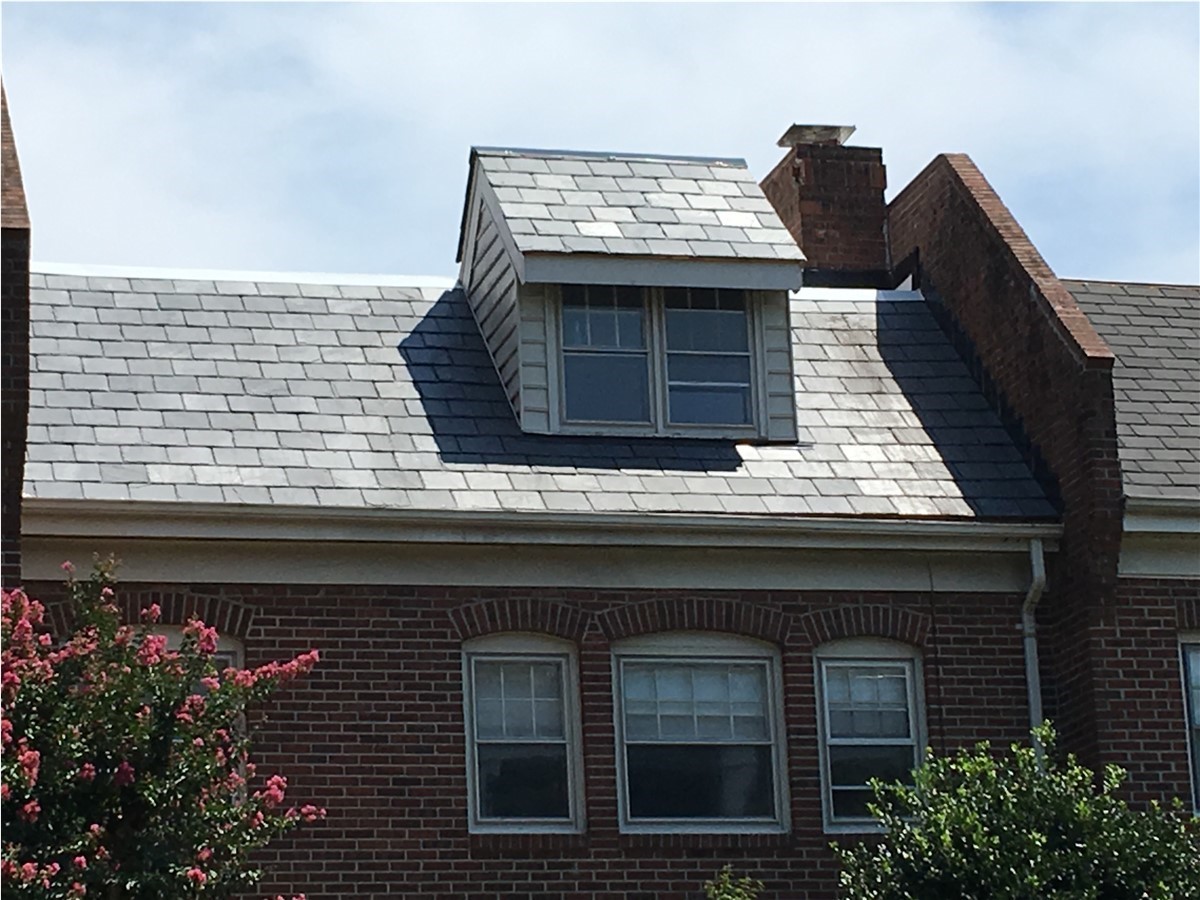
When The Roofing Company, Inc. team stepped onto the roof deck, the architectural shingles themselves looked relatively fresh, but the real trouble was lurking at a complex transition area known as a "dead valley." This is a low-slope roof pocket where two roof planes meet an exterior wall, creating a spot where runoff water naturally slows down and concentrates before draining away.
The homeowner's previous installer promised to re-flash the transitions "as necessary." In roofing terms, flashing is the thin sheet metal woven beneath shingles and siding to redirect water away from joints and seams. To save time and effort, the previous crew left the old metal intact beneath the home's vertical wood siding. That single shortcut left the vulnerable junction wide open to coastal wind and driving rain.
The Technical Why
Water follows the path of least resistance, especially during a rough Tidewater storm. When rainwater poured down the dormer siding and into the dead valley, it encountered aged, reused metal that no longer created a watertight barrier.
Tying new flashing properly into vertical wood siding isn't easy:
Siding manipulation requires patience: A contractor must carefully pry back or trim exterior wood boards without cracking them, insert brand-new step flashing, and integrate a protective waterproof membrane behind the wall.
Dead valleys carry double the water: Because water pools longer in these flat pockets, relying on twenty-year-old metal bends is like wearing a brand-new raincoat with rusted, broken zippers.
The false comfort of paper warranties: An extended manufacturer warranty rarely covers leaks caused by existing metal that was never replaced during installation.
The previous crew simply wasn't willing to go the extra mile that fine craftsmanship demands, leaving the homeowner to deal with the mess inside her home.
Professional Advice
If your home features architectural dormers, chimneys, or dead valleys meeting exterior wood siding, here is how you can protect your peace of mind before the next storm rolls through:
Always insist on 100% new flashing: Never accept contract language stating a crew will only replace flashing "as needed." Flashing should always be upgraded alongside new shingles.
Check your roof valleys after heavy downpours: Peek into your attic or look up at your ceilings directly below roof intersections where exterior walls meet slopes.
Partner with craftsmen who respect wood siding: Replacing flashing against cedar or composite siding takes specialized carpentry skill. Make sure your contractor has proven experience detailing these exact architectural features.
Whenever you're ready to take a closer look at your roof or need a second pair of eyes on a persistent leak, give us a shout at 757-867-6600 or fill out the form on this page. We're always happy to stop by and give you an honest, neighborly assessment.
Tags
Subscribe to The Roofing Company's Blog





Comments