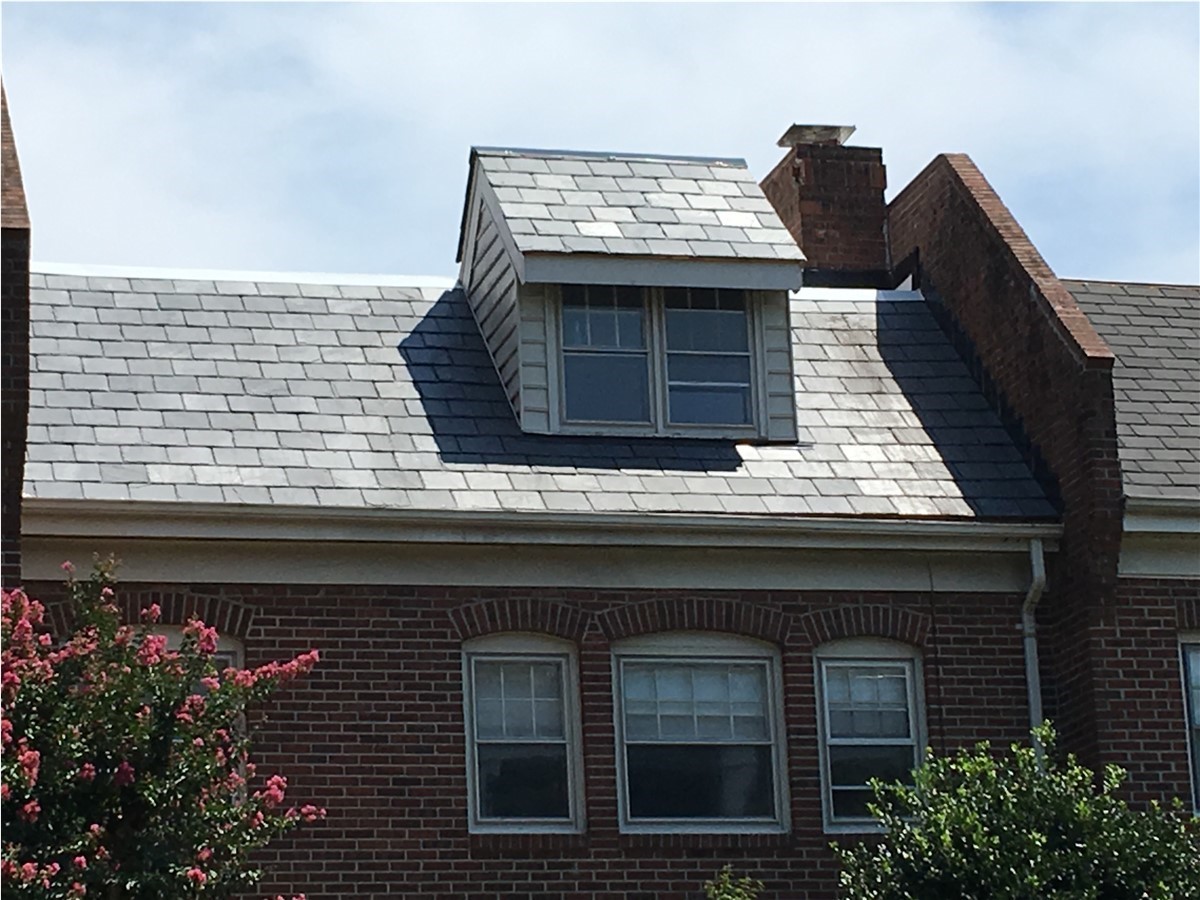
Tracking down hidden roof leaks on a Virginia Beach home often leads us to unexpected places. Brian Chalsma from The Roofing Company, Inc. team was inspecting a roof when he discovered a serious issue up top. During a recent AC retrofit in the attic, another crew decided they didn't need the roof vent cap. They took the cap off, tossed it onto the ground, and left the open pipe completely exposed to the elements. When heavy coastal rainstorms rolled through the region, water flowed straight down the open pipe and soaked into the living space below.
The Problem
What seemed like a minor leftover detail during an HVAC upgrade created an open highway for rainwater straight into the home. Without that protective cap shielding the pipe penetration on top of the roof, every downpour entered the open vent, soaking the attic insulation and damaging the interior ceiling. Homeowners often assume a roof leak means damaged or missing shingles, but unsealed openings or missing structural caps can cause just as much interior damage during a sudden storm.
The Technical Why
Roof vent caps act like a miniature umbrella for your home's roof penetrations. While pipes must pass through your roof deck—the structural wood panels supporting your shingles—they require a secure hood, boot, or cap to allow ventilation while keeping water out.
Pipe Penetrations: Any hole cut through your roof decking creates a direct opening that must be water-tight.
Vent Caps: These protective covers shield vertical pipe openings from wind-driven rain while letting heat or exhaust escape safely.
Gravity and Surface Tension: Without a cap, rain drops directly down the interior of the pipe casing, leaking onto ceiling joists and ruining drywall.
Professional Advice
Protecting your living space from unexpected water damage requires keeping a close eye on home upgrades and external contractor work.
Inspect After Other Trades Finish: Whenever contractors work near your roofline, HVAC units, or attic space, perform a quick visual check around your roof to ensure no vents or pipes were left open.
Check the Yard: Finding unusual metal or plastic caps lying on the ground after home updates is a clear warning sign that a protective component was removed from your roof.
Schedule Regular Visual Checks: Have your roof penetrations and flashing inspected regularly so seals and caps don't fail during coastal weather.
If you're ever in doubt about a mysterious ceiling stain or suspect an open vent on your roof, give us a shout at 757-867-6600 or fill out the form on this page. We're always happy to stop by, take an honest look, and make sure your home stays dry through every storm.
Tags
Subscribe to The Roofing Company's Blog





Comments