Examining roof edge water runoff on a home during a heavy storm brought an all-too-common problem to light for our Roofing for Reel series. Standing outside, The Roofing Company team watched rainwater pour off the edge of the shingles, but instead of dropping cleanly away from the structure, it was curling backward and washing directly down the exterior trim .
What made this case study particularly frustrating was that the homeowner had just replaced the fascia board—the long wooden trim board running right underneath the edge of the roof deck . They invested time and money into brand-new lumber, but without proper metal flashing installed directly above it, that fresh wood was taking an absolute beating from the rain .
The Problem
The mystery was simple: why was water clinging to the roof edge and soaking the brand-new wood underneath?
Instead of falling straight down, rainwater was wrapping around the edge of the shingles, trickling backward, and running down the face of the new trim. Over time, constant water exposure like this leads to serious structural and financial headaches, including:
Rot and decay eating through fresh wood fascia boards
Water seeping into the soffit or behind exterior walls
Peeling paint, unsightly water stains, and wood rot
Soft spots that make it easy for unwanted pests to enter the home
The Technical Why
The root cause of all this trouble was a missing drip edge.
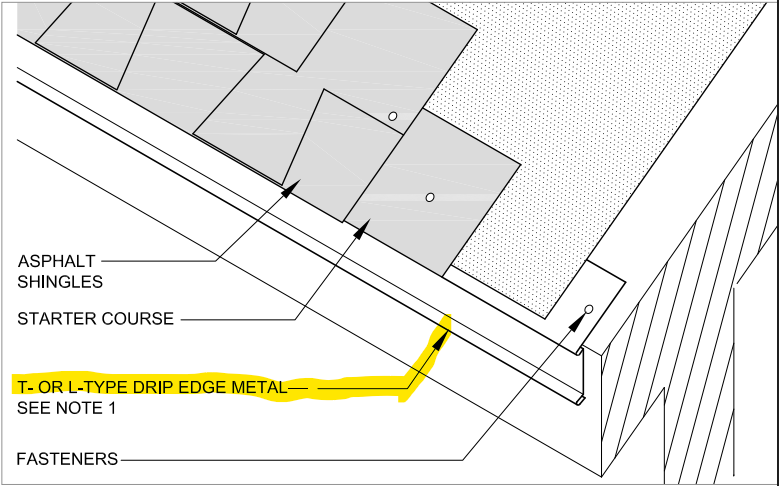
A drip edge is an essential piece of metal flashing—a thin, corrosion-resistant metal strip shaped like an L—that sits directly underneath the bottom layer of shingles along the eaves. You can think of it like the brim of a rain hat for your house. Its sole job is to break the water's natural surface tension so that rainfall drops cleanly away from the roofline rather than curling backward toward the house.
Without a drip edge, surface tension forces water to wrap around the bottom edge of the shingles. Instead of dripping off, the water rides along the wood fascia and trickles underneath, slowly causing rot from the top down.
Professional Advice
Keeping your wood trim dry and ensuring your family stays stress-free through heavy coastal storms comes down to a few simple maintenance checks:
Watch Your Roof Edge in the Rain: Take a look outside during a heavy shower to see if water is dropping cleanly away or running straight down your trim boards.
Inspect the Back of Your Trim: Take a look at your roof edge after a downpour to ensure water isn't seeping backward into the gap behind your fascia board .
Inspect for Metal Flashing: Whenever you have roofing work done, verify that a metal drip edge is being installed underneath the starter shingles.
Protect Your Home Investments: Make sure roof flashing is properly integrated before painting or replacing wood trim so fresh materials aren't ruined by hidden rot.
If you're ever in doubt about how your roof is handling heavy rainfall, give us a shout at 757-867-6600 or fill out the form on this page. We're always happy to stop by, take an honest look, and give you total peace of mind.
Tags
Subscribe to The Roofing Company's Blog





Comments