It sounds like something out of a sci-fi movie, doesn't it? The idea that a bundle of asphalt shingles could suddenly "know" exactly what kind of building they’re sitting on. But as I explored the fine print of modern roofing warranties, that’s exactly what the manufacturers seem to imply.
The "Lifetime" Loophole
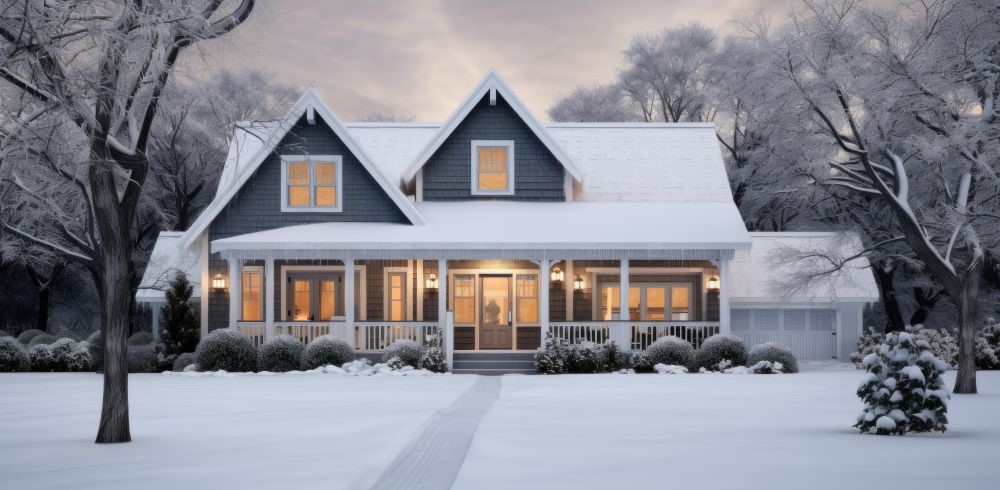
The word "lifetime" usually gives us a sense of permanent security—the peace of mind that once a job is done, you’re set for good. However, many roofing manufacturers have a very specific, almost "AI-like" way of defining that word. In their eyes, a "lifetime" only counts if the roof is installed on a single-family detached home owned by an individual.
Here’s the catch: the moment that building is owned by a corporation, an LLC, a religious entity, or a government agency, the "intelligence" of the shingle changes. Suddenly, that "lifetime" protection often shrinks down to a non-prorated period of just 20 or 25 years. It’s as if the shingles check the deed before deciding how long they’re willing to last.
The Technical "Why"
In the roofing industry and the insurance world, we generally agree on one reality: the average asphalt shingle in our humid, storm-prone Hampton Roads climate is going to give you about 20 to 25 years of solid service before it needs to be replaced.
Manufacturers know this math perfectly. By using the word "lifetime," they create a "hook" that feels like a permanent solution, but the legal limitations ensure they aren't on the hook forever. They’ve essentially redefined a common word to fit a specific marketing goal.
Professional Advice: Focus on the Install
We’ve spent nearly 30 years working right here in the Tidewater area, and if there’s one thing we’ve learned in our hands-on training facility, it’s this: a warranty is only as good as the hands that install the roof.
Read the Fine Print: If you aren't the primary resident or if your home is under an LLC, your "lifetime" coverage might be shorter than you think.
Prioritize Installation: A manufacturer’s warranty covers defects in the material, but most roof failures in our coastal environment come from poor installation around "flashing" (the metal bits that divert water from chimneys and walls) and "decking" (the wooden base of your roof).
Trust Local Expertise: You want a team that understands how our salt air and Nor'easters affect your specific shingles.
At the end of the day, we want you to sleep through a midnight thunderstorm knowing your family is tucked away dry—not because of a word in a brochure, but because the job was done right.
See more tips in action on our Roofing for Reel Series
Whenever you're ready to take a closer look at your own roof's health, give the team a shout at 757-867-6600 or complete the form on this page for us to contact you. We’re happy to stop by and give you an honest look.
Tags
Subscribe to The Roofing Company's Blog






Comments